


 Health Plans


 07 August 2025
Dehydration in Summer: Signs, Prevention, and When to Seek Help
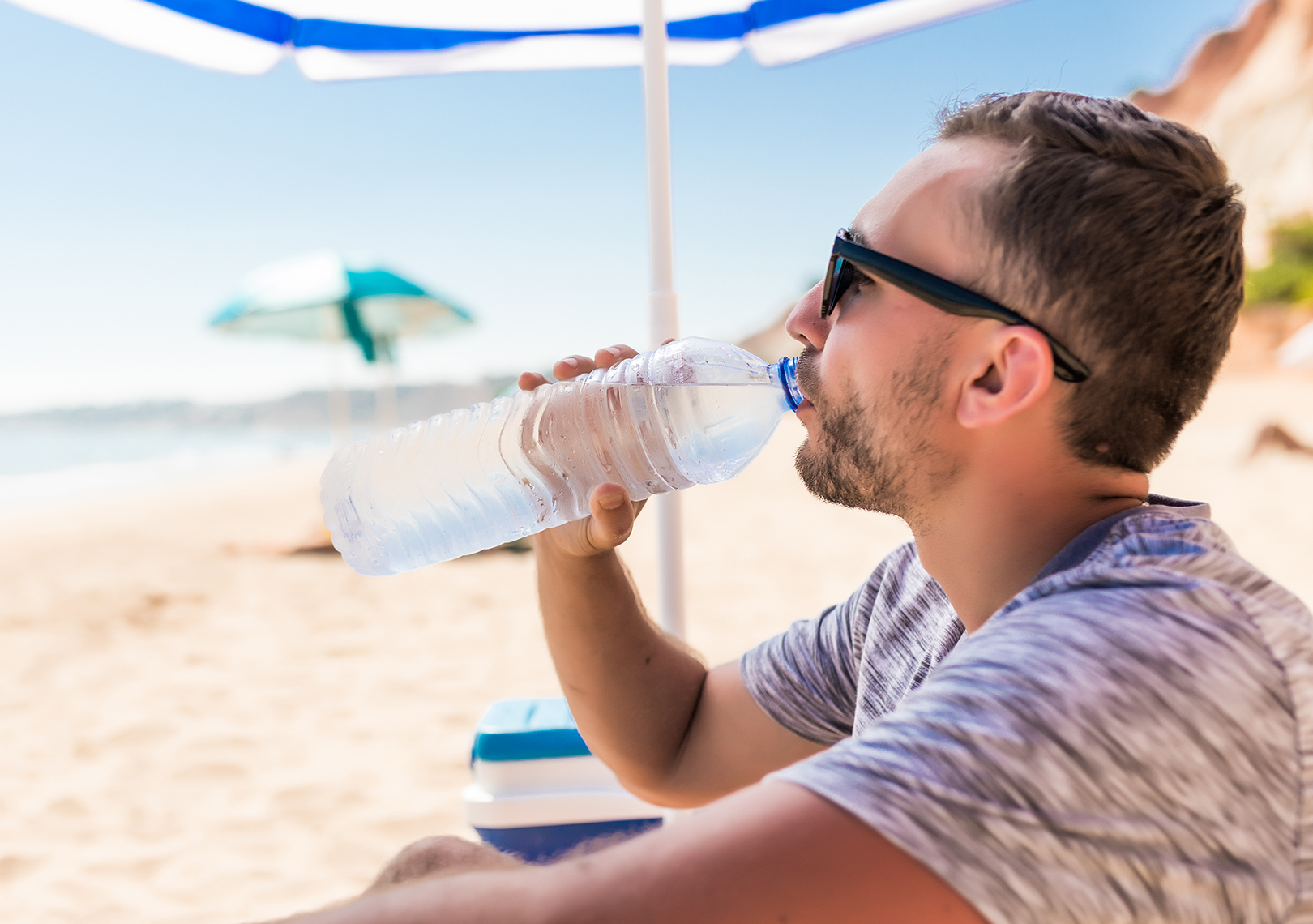
Summer’s high temperatures bring long days, intense sun, and more time outdoors. But with this scenario also comes the increased risk of a problem often underestimated: dehydration. Especially among children, the elderly, and active individuals, the loss of fluids and minerals can escalate quickly and affect overall health and well-being.
Knowing how to recognize the signs of dehydration, how to prevent it, and when to seek medical help can make all the difference during the hottest months of the year.
What is dehydration?
Dehydration occurs when the body loses more fluids than it consumes, compromising essential functions like temperature regulation, blood circulation, and proper organ performance.
In summer, factors such as sun exposure, physical activity, excessive sweating, and insufficient water intake increase this risk significantly.
Signs and symptoms of dehydration
Dehydration can range from mild to severe. It’s crucial to be aware of early symptoms, as they are often overlooked.
Signs of mild to moderate dehydration:
- Intense thirst
- Dry mouth and lips
- Less frequent urination
- Dark-colored urine
- Fatigue or weakness
- Headache
- Dizziness or light-headedness
Signs of severe dehydration (seek medical help immediately):
- Confusion or disorientation
- Rapid heart rate
- Fast breathing
- Sunken eyes
- Cold extremities
- No urination for over 8 hours
- Fainting
💡 Important: in children and the elderly, signs may be subtler, such as irritability, crying without tears, or excessive sleepiness.
How to prevent dehydration in summer?
Fortunately, preventing dehydration is simple and mostly depends on consistent daily habits.
Practical tips:
- Drink water throughout the day, even when not thirsty (ideally 1.5 to 2 liters/day or more in extreme heat)
- Eat fruits high in water like watermelon, melon, orange, and strawberries
- Avoid alcoholic, caffeinated, or sugary drinks, which promote fluid loss
- Wear light-colored, breathable clothing
- Avoid direct sun exposure between 11 AM and 5 PM
- Increase fluid intake during exercise or illness (fever, vomiting, diarrhea)
Who is most at risk?
Certain groups are more vulnerable to dehydration during summer and require extra care:
- Elderly: have reduced thirst perception and lower water reserves
- Children: lose fluids more quickly
- Athletes and outdoor workers
- People with chronic illnesses (diabetes, kidney conditions)
- Pregnant and breastfeeding women
When to seek medical help?
See a healthcare professional if you notice:
- Signs of moderate to severe dehydration
- Persistent symptoms even after hydration
- Prolonged vomiting or diarrhea
- Changes in mental state or consciousness
Oral rehydration is usually effective in mild cases, but more severe situations may require intravenous fluids.
Conclusion
Dehydration in summer is a real but fully preventable issue. Paying attention to your body’s signals, adopting simple prevention strategies, and seeking help at the right time are actions that can save lives and ensure a healthier summer.
💡 Take care of yourself. Stay hydrated. And if needed, take advantage of Misericórdias Saúde benefits — up to 60% off at top hospitals and clinics for safe guidance and specialized care.
10 July 2025
Heatstroke in the Elderly and Children: How to Prevent and Respond

10 September 2025
Supplements: What’s Really Necessary Starting in September?
18 November 2025
Skin care in cold weather: how to avoid dryness, redness, and premature aging.