


 Health Plans


 27 November 2025
Oral health and prevention: because the mouth also reveals your overall health
The mouth is the mirror of the body, and taking care of oral health means taking care of overall health. Much more than just a beautiful smile, good oral hygiene is directly linked to the prevention of heart disease, diabetes, infections, and even respiratory problems.
Despite this, oral health remains an area often neglected — both in daily routines and in preventive care.
Health begins in the mouth
The oral cavity is an entryway to the body. Bacteria present in the mouth can, under certain conditions, enter the bloodstream and cause inflammation in other organs.
According to the World Health Organization, gum diseases (such as gingivitis and periodontitis) are associated with a higher risk of cardiovascular problems, premature births, and worsening of diabetes.
On the other hand, a healthy mouth contributes to proper digestion, better nutrition, and more confident communication — all essential factors for overall well-being.
The signs your mouth sends about your health
Often, the first signs of systemic diseases appear in the mouth. Some common manifestations include:
- Inflamed or bleeding gums: may indicate chronic inflammation and increased cardiovascular risk.
- Persistent sores: may be associated with nutritional deficiencies or autoimmune diseases.
- Chronic bad breath: may result from digestive issues or uncontrolled diabetes.
- Changes in the color of the mucosa or tongue: may signal infections or metabolic alterations.
Being attentive to these signs and seeking regular medical and dental check-ups is essential for early and effective detection.
Oral hygiene: the foundation of prevention
Good oral health begins with simple, consistent habits:
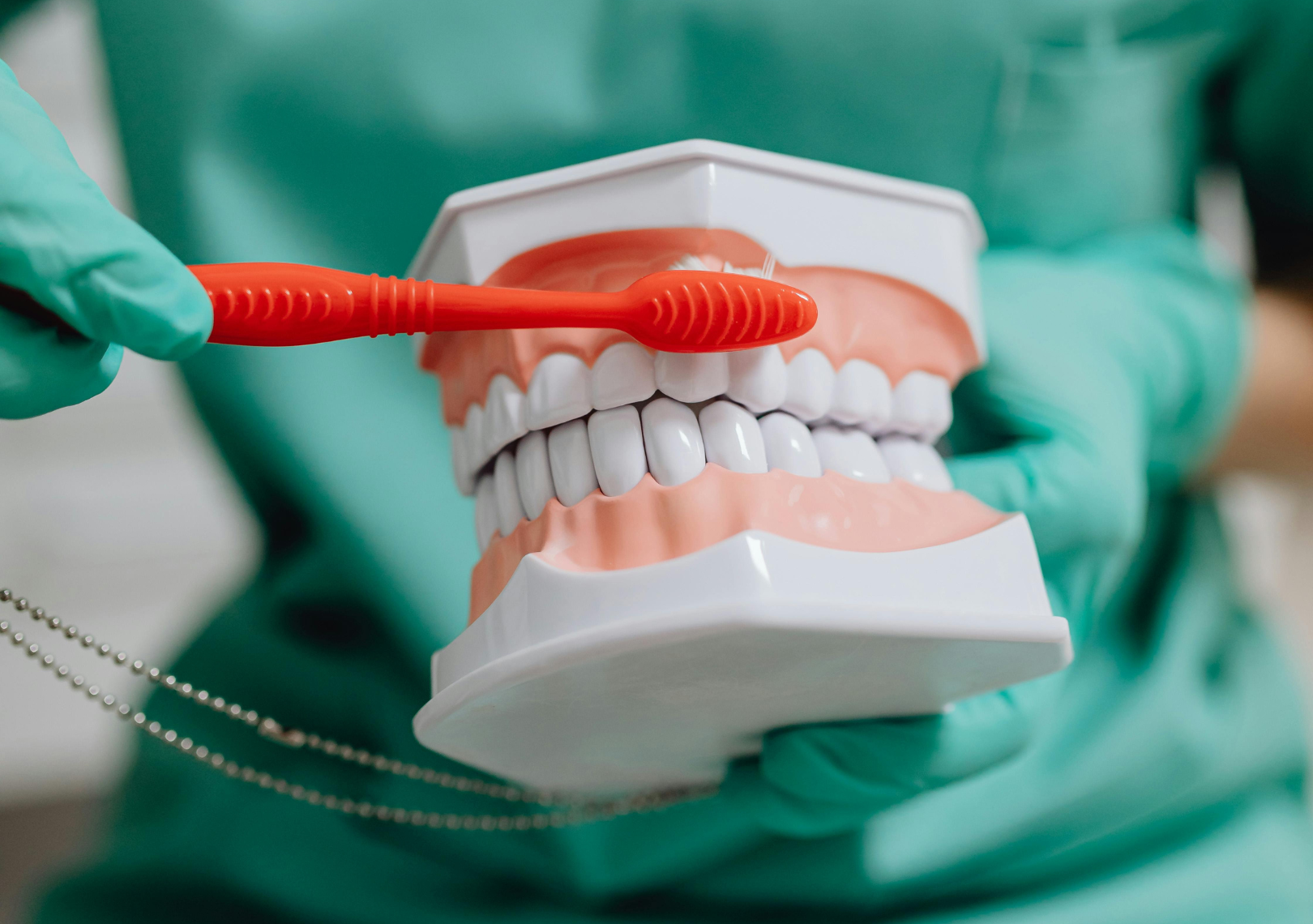
- Brush your teeth two to three times a day using a soft brush and fluoride toothpaste.
- Use dental floss daily to remove residue between the teeth.
- Avoid excessive consumption of sugar, alcohol, and tobacco, which are the main enemies of the gums and enamel.
- Schedule routine dental check-ups at least twice a year, even in the absence of pain or symptoms.
Small daily gestures are the foundation of prevention and help avoid more serious problems in the future.
The link between oral health and chronic diseases
Several scientific studies have confirmed that gum infections increase the risk of cardiovascular disease. Constant inflammation triggers the release of substances that can affect blood vessels and the heart.
People with diabetes should be especially cautious: high blood glucose levels promote bacterial growth, which worsens periodontitis.
In addition, some medications used to treat chronic conditions (such as hypertension or depression) can cause dry mouth, increasing the risk of cavities and infections.
Therefore, communication between doctors and dentists is essential for integrated and personalized care.
More than aesthetics: a public health issue
Oral health influences self-esteem, emotional well-being, and quality of life. A healthy smile supports social interaction, professional performance, and personal confidence.
Promoting oral health literacy is also part of the Misericórdias Saúde mission, which advocates an integrated view of health — where prevention, education, and regular follow-up go hand in hand.
Prevention means smiling with health
Taking care of the mouth is taking care of the body. Oral health is an important indicator of overall health and deserves ongoing attention.
Adopting preventive habits, attending regular check-ups, and maintaining a balanced diet are simple steps that make a real difference.
A healthy smile is a sign of balance — and also of prevention.

17 June 2025
Appointments Without Leaving the Sofa? Discover the Benefits of Video Consultations for Your Health

08 July 2025
Foods that seem harmless but cause food poisoning in the summer.

04 November 2025
Men's Health in Focus: Why Check-Ups Are a Man's Business Too